Last reviewed: March 2026
Contents
MDM Templates
GI-Predominant Mushroom Ingestion
Patient presents with nausea, vomiting, abdominal cramping, and diarrhea after ingestion of wild mushrooms. Symptom onset within 1-3 hours of ingestion. Hemodynamically stable. No altered mental status, no jaundice.
Early-onset GI symptoms (<6 hours post-ingestion) are generally consistent with GI-irritant mushrooms and carry a favorable prognosis. The critical distinction is from amatoxin-containing species (Amanita phalloides), which classically present with delayed GI symptoms 6-24 hours post-ingestion followed by hepatic failure. Early symptom onset does not completely exclude co-ingestion of hepatotoxic species if multiple mushroom types were consumed.[1]
Plan: IV fluid resuscitation and antiemetics. If symptom onset <6 hours and single mushroom type ingested, observe with supportive care. If any concern for delayed presentation or mixed ingestion, obtain LFTs, INR, and renal function with serial monitoring at 12 and 24 hours. Poison control consulted. Discharge if improving, tolerating oral intake, and labs normal. Return for recurrent vomiting, abdominal pain, jaundice, or dark urine.
Hepatotoxic Mushroom Ingestion (Amatoxin)
Patient presents with GI symptoms 6-24 hours after wild mushroom ingestion. This delayed onset raises high concern for amatoxin-containing species (Amanita phalloides, Amanita virosa, Lepiota). Amatoxin poisoning carries significant mortality from fulminant hepatic failure.
Amatoxin poisoning follows a triphasic course: GI phase (6-24 hours), apparent improvement (24-48 hours), and hepatorenal failure (48-96 hours). The period of apparent clinical improvement is deceptive and does not indicate resolution. Must also consider acetaminophen co-ingestion, viral hepatitis, and other hepatotoxic ingestions in the differential for acute liver failure.[1]
Plan: Poison control consulted. Aggressive IV fluid resuscitation. Serial LFTs, INR, creatinine, and lactate q6-12 hours. Activated charcoal if within 1-2 hours of ingestion or if enterohepatic recirculation suspected. N-acetylcysteine infusion (same protocol as acetaminophen toxicity). Silibinin if available. Transplant hepatology consulted early given risk of fulminant hepatic failure. Admit to ICU.
Cholinergic (Muscarinic) Mushroom Ingestion
Patient presents with diaphoresis, salivation, lacrimation, urination, diarrhea, and miosis after wild mushroom ingestion. Symptom onset within 30 minutes to 2 hours. No altered mental status, no hepatotoxicity markers.
Presentation consistent with muscarinic mushroom ingestion (Inocybe, Clitocybe species). Classic cholinergic toxidrome — SLUDGE (salivation, lacrimation, urination, diarrhea, GI distress, emesis). Not consistent with organophosphate poisoning (no fasciculations, no nicotinic symptoms, history of mushroom ingestion), or amatoxin poisoning (onset too early, no hepatic injury).[1]
Plan: Atropine titrated to dry secretions (start 0.5-1 mg IV, repeat as needed). IV fluids. Observe for resolution. Most cases resolve within 6-24 hours with supportive care. Discharge once secretions controlled and tolerating oral intake.
Hallucinogenic Mushroom Ingestion
Patient presents with altered perception, visual hallucinations, agitation, and mydriasis after ingestion of psilocybin-containing mushrooms. Onset within 30-60 minutes of ingestion. Hemodynamically stable. No seizures, no hyperthermia.
Presentation consistent with psilocybin ingestion. Effects are serotonergic and self-limited (4-6 hours). Not consistent with sympathomimetic toxicity (no significant tachycardia or hypertension), anticholinergic toxidrome (diaphoretic, not dry), or serotonin syndrome (no clonus, no rigidity). Primary risk is behavioral — injury from impaired judgment during intoxication.[2]
Plan: Calm environment, reassurance, benzodiazepines for severe agitation or anxiety. Observation until effects resolve (typically 4-6 hours). Discharge once at baseline. Return for persistent confusion, fever, or seizure.
Clinical Education
Approach to Mushroom Ingestion
The single most important question: How long after ingestion did symptoms begin? Early onset (<6 hours) generally indicates GI-irritant or cholinergic species with favorable prognosis. Delayed onset (>6 hours, especially 6-24 hours) raises concern for amatoxin-containing species with potentially lethal hepatotoxicity. This timeline drives the entire workup and disposition.[1]
Always call poison control (1-800-222-1222). Mycology expertise can help identify the species from photographs, spore prints, or descriptions. Ask the patient or family to bring remaining mushrooms or photographs.
Co-ingestion of multiple mushroom species is common in foraging scenarios. Even if early GI symptoms suggest a benign species, delayed hepatotoxicity from a co-ingested amatoxin species must be considered. When in doubt, monitor LFTs serially.
Mushroom Toxin Classification
| Toxin Group | Species | Onset | Key Features |
| Amatoxin (hepatotoxic) | Amanita phalloides, A. virosa, Lepiota, Galerina | 6-24 hours | Delayed GI → apparent improvement → hepatic failure. 10-30% mortality |
| Gyromitrin (hepatotoxic) | Gyromitra (false morels) | 6-12 hours | GI symptoms → hepatorenal failure, seizures, methemoglobinemia. Treat seizures with pyridoxine |
| Muscarinic (cholinergic) | Inocybe, Clitocybe | 30 min – 2 hours | SLUDGE. Treat with atropine. Self-limited |
| Ibotenic acid / muscimol | Amanita muscaria, A. pantherina | 30 min – 2 hours | CNS excitation then sedation. GABAergic. NOT cholinergic despite the Amanita genus. Atropine NOT indicated |
| Psilocybin (hallucinogenic) | Psilocybe | 30-60 min | Hallucinations, mydriasis, euphoria/anxiety. Self-limited 4-6 hours. Benzos for agitation |
| Coprine (disulfiram-like) | Coprinopsis atramentaria | 30 min after alcohol | Flushing, tachycardia, vomiting ONLY when combined with alcohol. Mushroom alone is benign |
| Orellanine (nephrotoxic) | Cortinarius | 1-3 weeks | Extremely delayed renal failure. May require dialysis or transplant |
| GI irritants | Chlorophyllum, many others | 30 min – 3 hours | N/V/D. Self-limited. Supportive care only |
Visual identification aids:
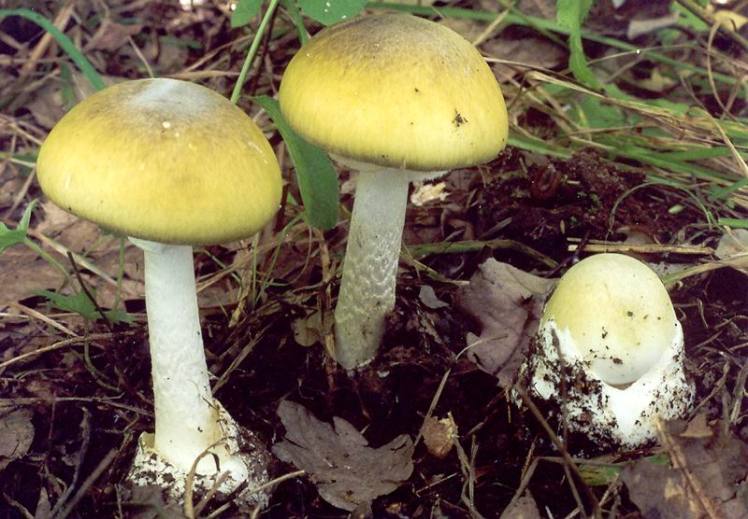
Amanita phalloides (death cap) — the most lethal mushroom worldwide. Responsible for >90% of mushroom fatality cases.[1]
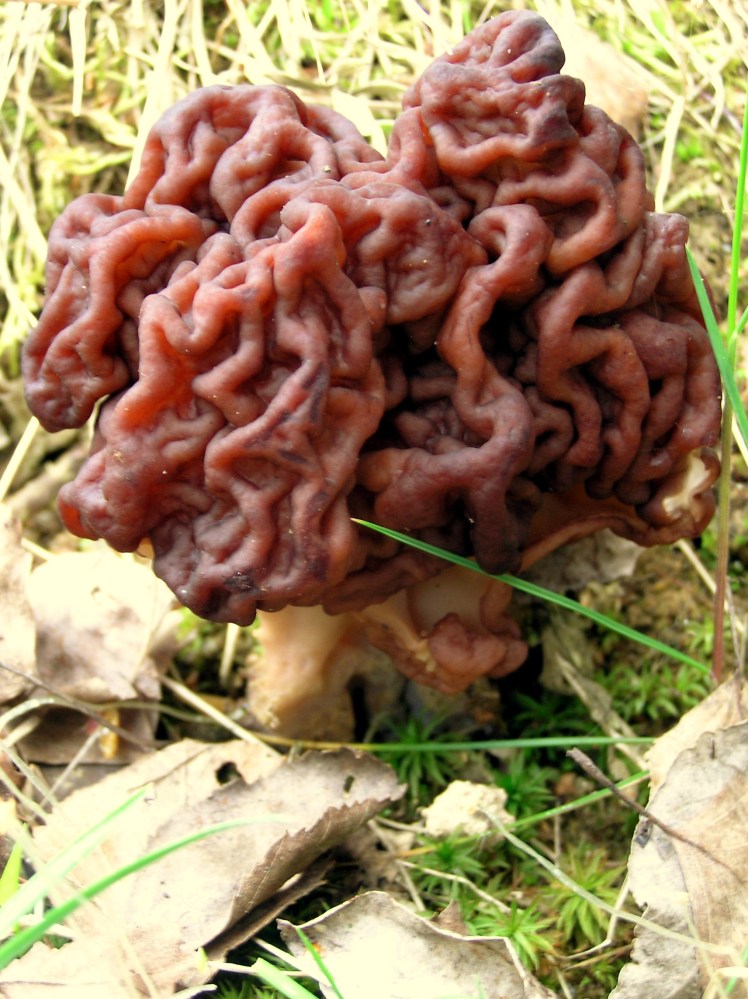
Gyromitra (false morel) — gyromitrin toxin causes hepatorenal failure and seizures.

Amanita muscaria — ibotenic acid/muscimol. GABAergic, NOT cholinergic despite the name. Do not give atropine.
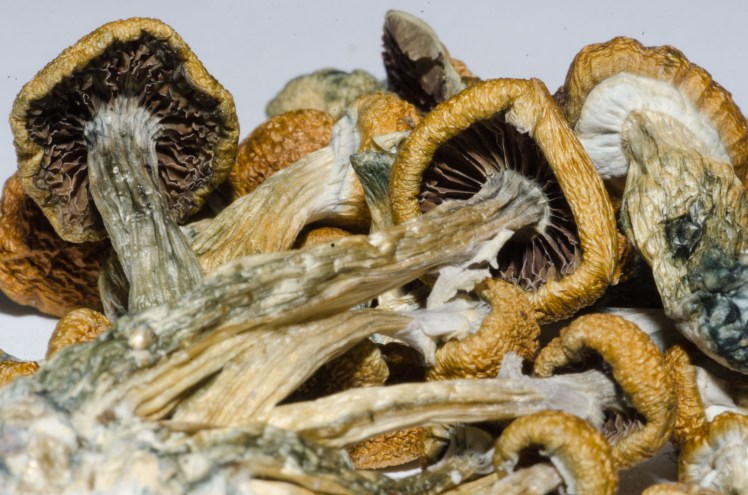
Psilocybe — psilocybin. Hallucinogenic. Self-limited.
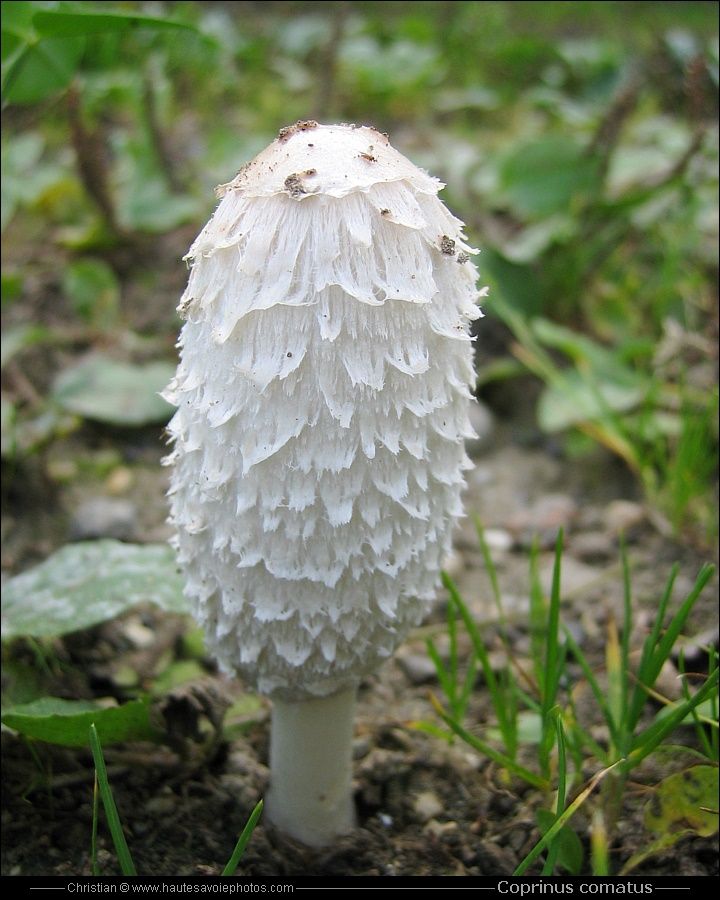
Coprinopsis atramentaria (inky cap) — disulfiram-like reaction only with concurrent alcohol.
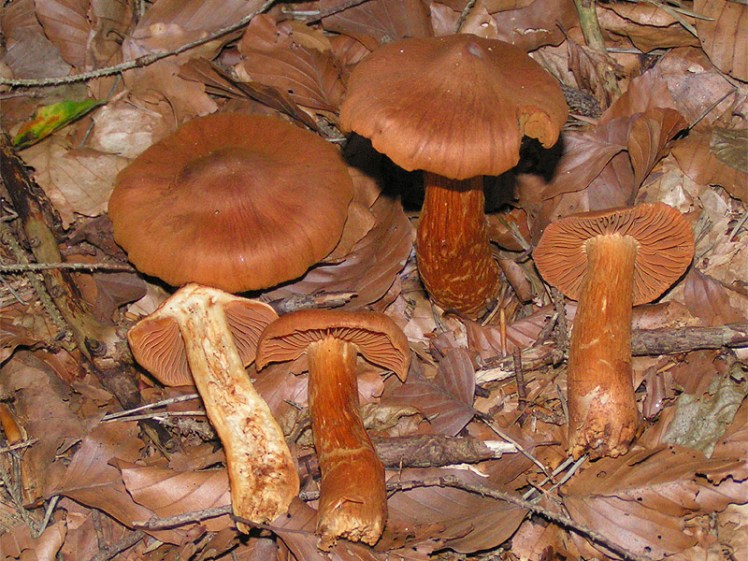
Cortinarius — orellanine nephrotoxin. Onset delayed 1-3 weeks after ingestion.
Amatoxin Poisoning (Amanita phalloides)
Amatoxin poisoning is the most important mushroom emergency. Amanita phalloides (“death cap”) accounts for >90% of mushroom-related deaths worldwide. The toxin inhibits RNA polymerase II, halting protein synthesis in hepatocytes and renal tubular cells.[1]
Triphasic clinical course: Phase 1 (6-24 hours) — severe cholera-like GI symptoms with profuse watery diarrhea and vomiting. Phase 2 (24-48 hours) — apparent clinical improvement as GI symptoms resolve, but transaminases begin rising. Phase 3 (48-96 hours) — fulminant hepatic failure with coagulopathy, hepatic encephalopathy, hepatorenal syndrome, and death.
Treatment is multimodal and none is definitively proven: Aggressive IV fluid resuscitation for the GI losses. Activated charcoal (may interrupt enterohepatic recirculation of amatoxin). N-acetylcysteine IV infusion (hepatoprotective, same protocol as APAP toxicity). Silibinin (milk thistle derivative, inhibits hepatocyte uptake of amatoxin) — available through poison control. Multidose activated charcoal or biliary drainage to interrupt enterohepatic circulation. Transplant hepatology should be contacted early.[2]
Indications for liver transplant: INR >6, hepatic encephalopathy, progressive acidosis despite resuscitation, or hypoglycemia from hepatic failure. King’s College Criteria can guide but were validated for acetaminophen and may underperform for amatoxin.
Disposition
Discharge: Early-onset GI symptoms (<6 hours), single mushroom type, improving with supportive care, normal LFTs at 12-24 hours, tolerating oral intake. Psilocybin ingestion once at baseline. Muscarinic symptoms resolved after atropine. Return for recurrent vomiting, abdominal pain, jaundice, dark urine, or confusion.
Admit: Any delayed-onset GI symptoms (>6 hours post-ingestion). LFT elevation. Unknown species with concern for hepatotoxic mushroom. Significant volume depletion. ICU for suspected amatoxin poisoning, hepatic failure, or coagulopathy.
 tydotphrase.com